
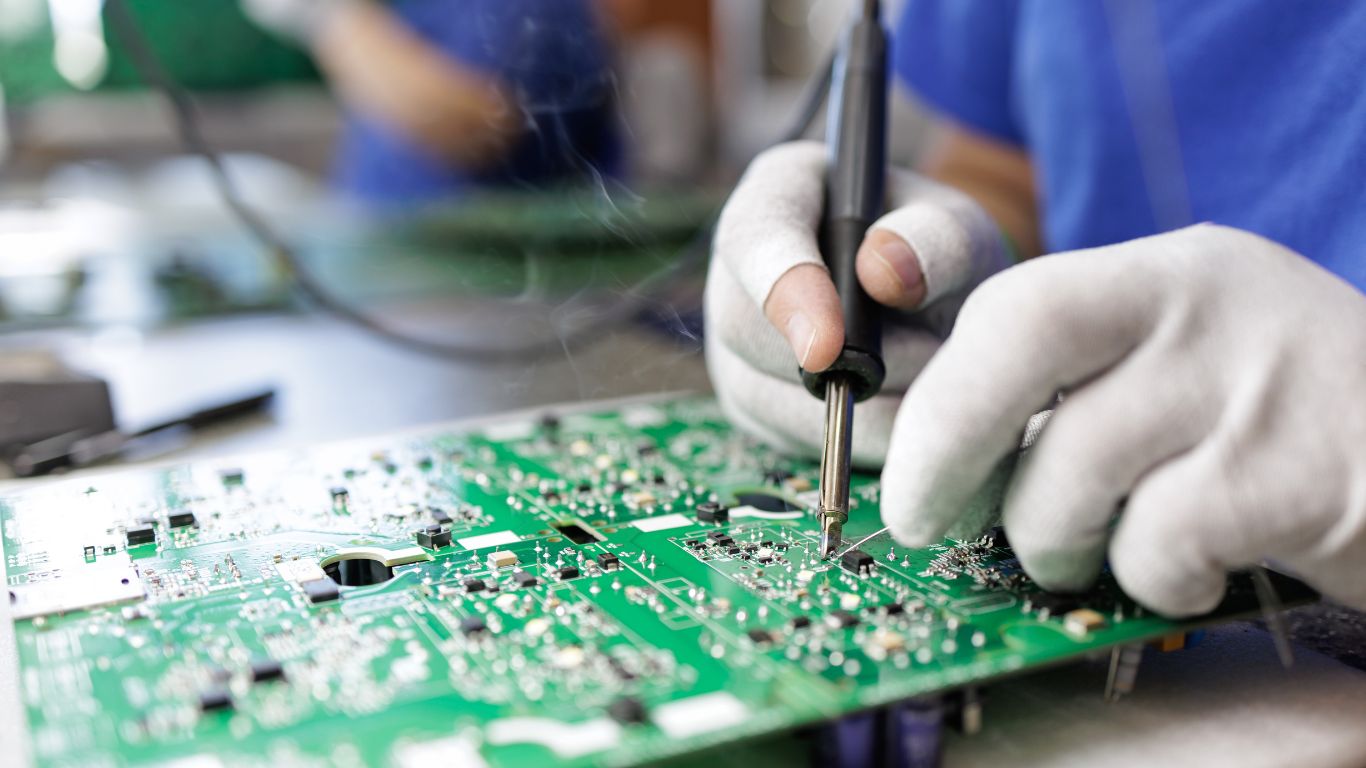
Speed matters in PCB prototyping. The faster you can move from concept to a working board, the faster you can test, iterate, and bring a product to market. But in practice, delays are common. Small design decisions, incomplete files, or the wrong manufacturing partner can quietly slow everything down.
The good news is that most of these delays are avoidable. With the right approach, you can significantly shorten your prototyping timeline without sacrificing quality.
In this guide, we’ll cover:
- The most common causes of PCB prototyping delays
- Design strategies that speed up manufacturing
- Key features that can add unnecessary time
- How better documentation keeps projects moving
- Why your PCB partner makes a difference
Let’s start by looking at where prototyping timelines tend to break down.
Tip #1: What Slows Down PCB Prototyping the Most?
Most PCB prototyping delays come from preventable decisions made before fabrication ever begins. If you want faster turnaround, you need to identify and eliminate the hidden bottlenecks early.
Engineers often focus on performance first, which makes sense. But every additional layer, unclear spec, or sourcing issue introduces friction that compounds across fabrication and assembly. What looks like a small decision in design can easily turn into days of delay once it hits the manufacturer.
Before moving forward, it helps to clearly identify the most common culprits.
Top Causes of PCB Prototyping Delays
- Overly complex designs, including unnecessary layers or advanced features
- Incomplete or unclear fabrication files and documentation
- Hard-to-source, obsolete, or poorly specified components
Each of these issues forces the manufacturer to pause, clarify, or adjust, which breaks the momentum of the build. In a fast-moving development cycle, those pauses add up quickly.
The key takeaway is simple. Speed is not lost on the production floor. It is lost in the decisions leading up to it. Once you understand that, you can start designing for speed from the very beginning.
Tip #2: How Can You Design Your PCB for Faster Manufacturing?
Designing for manufacturability is one of the most effective ways to speed up PCB prototyping. The more your design aligns with standard fabrication processes, the faster it moves from file to finished board.
Design for Manufacturability, or DFM, is about reducing friction between your design and the manufacturer’s capabilities. When you stick to widely supported materials, common stack-ups, and realistic tolerances, you eliminate the need for process adjustments. That translates directly into shorter turnaround times and fewer surprises.
3 Ways to Apply DFM for Faster Prototyping
- Stick to standard materials and specs – Use common substrates like FR-4, standard board thicknesses, and widely supported finishes to avoid delays tied to sourcing or setup.
- Run DRC checks before submission – Catch spacing, clearance, and connectivity issues early so they don’t stall fabrication later.
- Use verified component footprints – Rely on proven libraries or datasheet-validated footprints to avoid misalignment and rework.
Each of these steps reduces the likelihood of back-and-forth with your manufacturer, which is one of the biggest sources of delay in prototyping.
Tip #3: Which PCB Features Add the Most Time to Your Prototype?
Not all complexity is bad, but some features introduce additional fabrication steps that slow everything down. Multi-layer boards require extra lamination cycles. Specialized vias demand more precise drilling and plating. Advanced finishes often take significantly longer to process. These are valid engineering decisions in the right context, but they come at a cost in time.
To make this clearer, here’s a quick comparison of common fast vs slow design choices:
| Faster Option | Slower Option |
| 2–4 layer boards | High-layer stack-ups |
| Through-hole vias | Blind/buried vias |
| HASL finish | ENIG or specialty finishes |
| Standard FR-4 | Exotic materials |
The goal during prototyping is not perfection. It is an iteration. Optimize for speed now, then refine for performance in later production runs. In general, the more specialized the requirement, the more steps your manufacturer must take to deliver the board.
Tip #4: How Do Better Files and Documentation Speed Up PCB Prototyping?
Clear, complete documentation removes friction from the prototyping process and keeps your project moving. When your files answer questions upfront, your manufacturer can move straight into production without delays.
In many cases, prototyping slowdowns have nothing to do with design complexity. They come from missing details, unclear notes, or incomplete bills of materials. Every gap forces your fabrication or assembly partner to stop, reach out, and wait for clarification. That back-and-forth can easily add days to your timeline, especially if multiple issues surface at once.
To avoid that, treat your documentation as part of the design itself.
Before You Submit Your PCB Design
- Fabrication drawing with stack-up, materials, and tolerances clearly defined
- Complete BOM with manufacturer part numbers and approved alternates
- Assembly notes with clear polarity, orientation, and reference designators
- Verified component availability to prevent sourcing delays
Why This Matters:
When your documentation is thorough, your manufacturer can move quickly and confidently from review to production. Every missing detail creates a question. Every question adds a subtle delay.
Tip #5: How Can the Right PCB Partner Accelerate Your Turnaround?
Your PCB manufacturer plays a direct role in how fast your prototype gets built. Even a well-designed board can get stuck if your partner lacks speed, flexibility, or responsiveness.
At this stage, speed becomes a function of capability and communication. A manufacturer with true quick-turn infrastructure can move immediately from file review to fabrication. Just as important, a responsive engineering team can flag issues early and keep your project from stalling mid-process. The difference between a slow and fast partner often comes down to how quickly problems are identified and resolved.
When evaluating a PCB partner, focus on the factors that actually impact turnaround:
What to Look for in a Fast PCB Partner
- Proven quick-turn prototyping capabilities with reliable lead times
- Strong supply chain and component sourcing support
- Responsive communication and engineering feedback during review
These elements reduce friction at every stage, from design validation to final delivery.
At the end of the day, faster prototyping is not just about what you design. It is also about who you trust to build it.
Put These PCB Prototyping Tips to Work with Imagineering
Speeding up PCB prototyping is about removing friction at every stage, from design to delivery. By simplifying your design, avoiding time-intensive features, preparing complete documentation, and working with the right partner, you create a smoother path from concept to functional prototype.
Each of these PCB prototyping tips helps reduce delays, minimize rework, and keep your project moving forward.
If you are looking to accelerate your next build, it may be time to rethink not just your design, but your process. If you’re looking for a partner that treats fast prototyping as the standard instead of the exception, get your quote from Imagineering.
Quick Summary
Speeding up PCB prototyping comes down to eliminating friction in design, documentation, and manufacturing. By applying DFM principles, avoiding time-intensive features, and preparing complete files, teams can reduce delays and accelerate iteration cycles. Choosing a responsive, quick-turn PCB partner further streamlines the path from concept to working prototype.
PCB Prototyping FAQs
Q1: What is the fastest way to speed up PCB prototyping?
Design for manufacturability and use standard materials and processes. This reduces fabrication complexity and minimizes delays.
Q2: Why does PCB prototyping take longer than expected?
Delays usually come from design complexity, incomplete documentation, or component sourcing issues. These create a back-and-forth that slows production.
Q3: Does the PCB manufacturer affect turnaround time?
Yes, significantly. A quick-turn manufacturer with strong communication and supply chain support can reduce delays at every stage.